
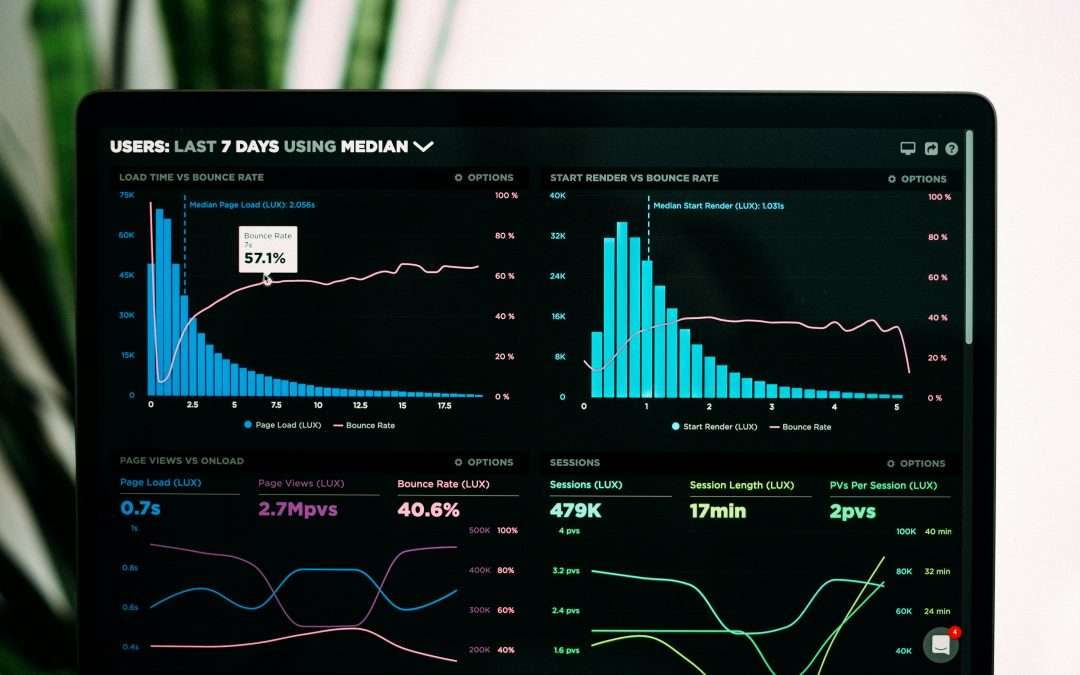
Manufacturing owners are often overwhelmed by the sheer volume of financial data at their fingertips. While your ERP system tracks production costs, inventory turns, labor efficiency, and cash flow in real time, much of this data rarely informs strategic financial decisions.
ERP system financial integration connects the insights your system already has about your business to the planning decisions shaping your long-term financial results. For CNC shop owners and manufacturers, this connection often bridges the gap between solid operations and strong financial outcomes.
What Financial Data Is Your ERP Already Capturing?
Manufacturing ERP systems track more than production schedules. NetSuite’s data integration guide shows that financial data in a manufacturing ERP includes cost of goods sold, inventory turnover, gross margins, operating expenses, and overall equipment effectiveness. These metrics show exactly where your money goes and where you lose it.
However, many owners use that data for operational decisions, rather than using it as input for tax planning, retirement strategy, or exit preparation. This disconnect creates a significant financial opportunity: your financial plan should reflect what your ERP already knows about the true cost of running your operation. Bridging this gap is crucial to maximizing data value.
How Does ERP Data Connect to Manufacturing Cash Flow Management?
Manufacturing cash flow management is one of the most persistent challenges in the industry, and ERP systems hold most of the information needed to address it. The timing gap between paying for raw materials and collecting on finished goods can run weeks or months in a shop environment, and it compounds when production schedules, customer terms, and supplier payments are not considered together.
Effective cash flow management depends on real-time visibility of where money sits in the production cycle, which your ERP provides. The key is whether this is integrated into financial planning or if data remains siloed, with cash decisions made separately from system insights.
CNC shop owners running job-based production see this clearly. A profitable quarter can still create a cash crunch if you don’t actively manage billing, material costs, and payroll. Your ERP can help you model these gaps ahead of time, but most shops don’t use it that way.
What Are the Common Gaps Between ERP Data and Financial Planning?
The main gap is that ERP data drives operations, while financial planning often happens elsewhere. To maximize results, connect your operations manager’s ERP insights with your CPA’s financial planning. Main takeaway: Bridging this gap can unlock new planning opportunities.
A second gap is cost allocation. Many manufacturing owners have a clear picture of direct costs but a murkier one of overhead allocation across product lines, shifts, or customer accounts. Financial planning for manufacturers that does not account for true cost-by-product or true cost-by-customer tends to produce strategies that optimize for the wrong outcomes, and you can grow revenue from a customer who is actually unprofitable if the cost allocation in your plan does not reflect what your ERP already knows.
A third gap is depreciation and equipment strategy. Your ERP tracks asset values and depreciation schedules, and those schedules have direct implications for your tax position each year and for your exit valuation down the road, but that data often sits in the system without ever reaching the advisor making your tax and planning decisions. The Section 179 planning decisions that affect your current-year tax bill are downstream of the asset data your ERP already holds, and connecting the two is one of the more direct ways to reduce planning waste.
How Should Financial Planning for CNC Shop Owners Use ERP Data?
Financial planning for CNC shop owners works better when the plan is built on actual operational data rather than approximations, which means bringing ERP outputs into at least three conversations that most shop owners currently run without them.
Your annual tax planning meeting is the first. Your CPA should be working from your production cost data, depreciation schedules, and equipment values rather than a summary P&L. The specifics in your ERP can shape decisions about equipment purchases, entity structure, and income timing that a year-end summary cannot accurately capture. According to the Finance Alliance’s ERP overview, ERP systems provide finance leaders with real-time data and insights that enable faster, more accurate strategic decision-making, and that advantage only materializes when the data reaches the advisors who need it.
Retirement and exit planning are the second conversation. The manufacturing business exit planning process requires a clear picture of business value, revenue concentration, owner dependency, and margin trends over time, and your ERP holds that history. An exit advisor who works from that data can build a more accurate valuation picture and identify value drivers that a balance sheet alone would miss.
Third, build cash flow forecasts with ERP production data. Don’t rely on your bank balance. A forecast based on ERP data shows where your cash will be in 30, 60, and 90 days. With this visibility, you can plan equipment buys, hiring, and credit use throughout the year.
Why Does Coordination Matter Here?
Your ERP produces the data, your financial advisors make decisions based on their own inputs, and nobody consistently bridges the two. That disconnect is a version of the same problem that costs manufacturing owners money across every area of their financial life, where good information exists in one place and decisions get made in another.
A manufacturing business advisor who understands both your ERP-generated operational data and the relevant financial decisions can bridge the gap, enabling your existing data to serve more than just production reporting.
A Practical Starting Point
Start by asking your current financial advisor one question: Have you ever looked at data from our ERP when building our plan? If the answer is no, that is the gap worth addressing first, because the information your system already holds could materially change the planning decisions being made on your behalf.
Silvertree works with manufacturing business owners to coordinate financial planning across tax, legal, investment, and risk management through a single point of contact, leveraging the operational data your business already generates. If you would like to see what that looks like for your operation, schedule a conversation.
FAQ
What is ERP system financial integration?
ERP system financial integration is the process of connecting the operational and financial data your ERP captures to the planning decisions made by your tax, investment, and exit planning advisors. Many manufacturing ERP systems collect detailed cost, cash flow, and asset data that never reach strategic financial conversations, and closing that gap can significantly improve planning outcomes.
How does ERP data help with manufacturing cash flow management?
Your ERP tracks the full production cycle, including material costs, labor, billing timing, and inventory levels, providing the inputs needed to model cash flow gaps before they become problems. When that data feeds actively into cash flow forecasting rather than sitting in operational reports, owners gain a 30 to 90-day view of their cash position based on what is already in the production pipeline.
What ERP data matters most for financial planning for CNC shop owners?
Cost of goods sold by job or product line, depreciation schedules, equipment asset values, and revenue concentration by customer are the data points that most directly inform tax planning, exit valuation, and strategic financial decisions. Many CNC shop owners have this data in their ERP systems, but rarely use it for financial planning.
Why do most manufacturing owners not use their ERP data in financial planning?
The most common reason is that operational data and financial planning occur in separate conversations with different people: the operations team uses the ERP, and the CPA works from the year-end summary. Without a single point of coordination, the data your system produces never reaches the advisors who could act on it most effectively.
When should ERP data be part of an exit planning conversation?
As early as possible, and certainly no later than 3 to 5 years before the target exit date. Buyers and valuators look at margin trends, revenue concentration, and asset values over time, and that history lives in your ERP. An exit advisor who works from it can build a more accurate and defensible valuation than one working from financial statements alone.
This material is for informational purposes only and is not intended to be a substitute for specific tax or legal advice. Summit Financial, LLC and its affiliates do not provide tax or legal advice.