
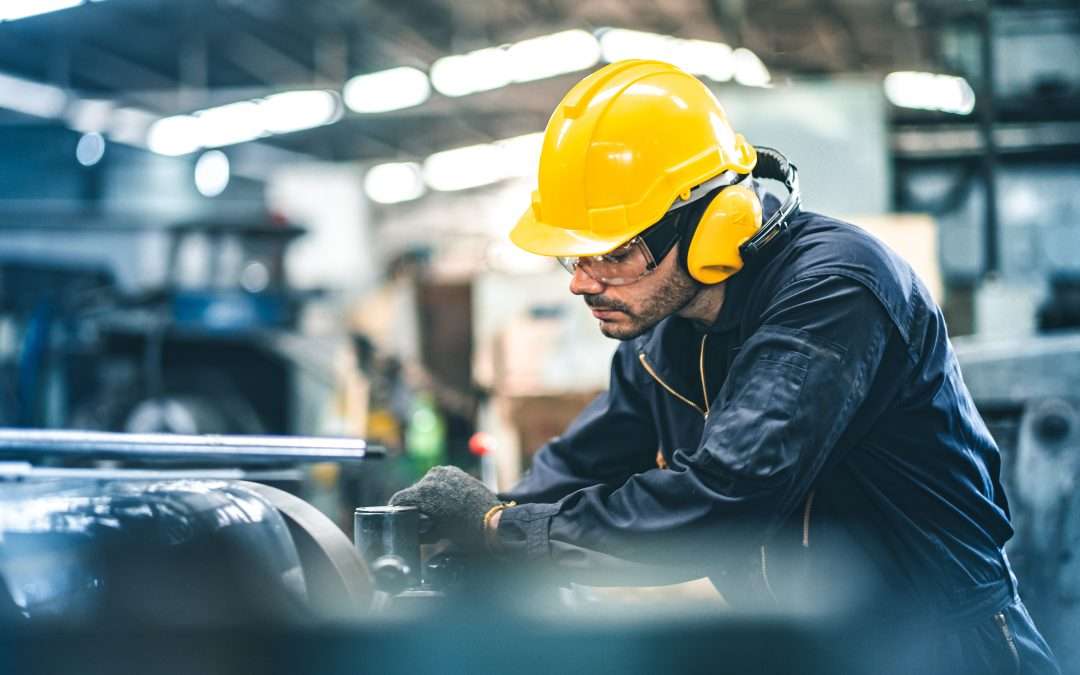
Manufacturing companies have their own set of retention challenges. Skilled machinists, welders, and supervisors often leave for higher pay, resulting in lost productivity and increased training costs. Typical office-style benefits often miss what manufacturing workers really want, leading to higher turnover and production issues.
The retention problem in manufacturing stems from the physical demands of the work, shift schedules that disrupt family life, and competition from other manufacturers willing to pay premium wages for experienced workers. According to the National Association of Manufacturers, manufacturers report that attracting and retaining quality workers remains one of their top business challenges, with skilled positions staying open for months as production demands increase.
What Benefits Do Manufacturing Workers Actually Value?
Manufacturing workers look for different benefits because their jobs are demanding. Physical work carries a higher risk of injury, shift work can make home life harder, and moving up often requires expensive, time-consuming certifications.
Health insurance is especially important for manufacturing workers, who often need coverage for injuries, physical therapy, and preventive care. Low deductibles make it easier for them to use their benefits. Family coverage also matters, since spouses may have similar health risks in related fields.
Employer-matched 401(k) plans help manufacturing workers save for retirement, even if their pay is not high. Many stay with the same company for years, so payroll deductions are important. Understanding the real cost of manufacturing employee turnover helps employers recognize why investing in comprehensive benefits packages saves money compared to constantly replacing skilled workers.
Paid time off is essential for manufacturing workers to recover from tough jobs and handle family needs. Flexible options, like taking half days, help prevent burnout better than strict schedules.
How Do Shift Differential Policies Affect Retention?
Since manufacturing operates around the clock, workers often have to work overnight or on weekends. Extra pay for these shifts helps compensate for the disruption, and the amount offered is key to retaining employees.
According to the Bureau of Labor Statistics, shift differentials in manufacturing typically range from 5% to 15% of base pay, depending on the shift and industry. Companies offering below-market differentials lose experienced workers to competitors willing to pay more for the same inconvenience, while those offering competitive differentials retain workers who adapt their lives around non-standard schedules.
Good shift-differential policies use clear pay structures, apply them consistently, and are transparent about how shifts are assigned. This plan reduces resentment and turnover better than simply offering higher pay without consistency.
Why Do Training and Certification Benefits Matter for Retention?
Manufacturing workers need ongoing training to operate new equipment, maintain certifications, and earn higher pay. Companies that invest in training create paths that encourage workers to stay, even when competitors offer slightly higher wages.
Tuition reimbursement should cover technical certifications that matter in manufacturing, not just traditional degrees. Certifications in areas such as machining, welding, and maintenance offer immediate benefits, whereas unrelated bachelor’s degrees do not improve retention or productivity.
Apprenticeships that combine work with structured training help companies fill skilled jobs and build loyalty. Workers who learn through company-funded programs tend to stay longer than those hired with skills from elsewhere.
What Role Does Healthcare Cost-Sharing Play in Retention?
Some manufacturers try to control healthcare costs by raising deductibles and premiums, but this can backfire if workers skip care. Delaying treatment for injuries or chronic problems often leads to longer absences and higher disability costs.
Lower deductibles and premiums may cost more upfront, but they help reduce overall healthcare expenses by encouraging workers to seek care sooner. When deductibles are low, workers address health issues early. When they are high, they wait until problems get worse.
On-site health clinics provide convenient access to basic healthcare services, including minor injuries, chronic disease management, and preventive care, without requiring workers to take time off for appointments. Workplace health programs that include on-site clinics reduce healthcare costs while improving employee health outcomes and satisfaction with employers.
How Do Retirement Benefits Influence Long-Term Retention?
Long-term manufacturing workers need strong retirement benefits because their careers often end earlier than those in office jobs. Employer-matched 401(k) plans help them save, but the real value depends on the match and how quickly the money becomes theirs.
Immediate vesting creates more loyalty than waiting five years. Younger workers especially appreciate contributions that belong to them right away, no matter how long they stay.
Automatic enrollment helps more manufacturing workers join 401(k) plans, even if they worry about their paychecks. Starting with contributions of 3% to 6% and increasing them each year helps build retirement savings over time. Understanding what makes wealth planning different for manufacturers helps employers recognize that concentrated wealth in retirement accounts requires distinct planning approaches from those for diversified portfolios, making proper benefit design and employee education critical for long-term retention.
What to Do Now
To improve retention, focus on these key actions for immediate impact:
- Ask your current employees which benefits matter most to them. Do not assume that standard benefit packages work for manufacturing jobs.
- Compare your benefits to those offered by competitors in your area and industry to ensure you remain competitive with skilled workers.
- Add up all the costs of turnover, including lost productivity, training, and quality problems. This helps you see how better benefits could actually save money.
- Review your health insurance cost-sharing and deductibles to determine whether financial barriers are preventing workers from accessing care.
- Check if your training and certification benefits help create career paths that encourage experienced workers to stay.
FAQ
What benefits do manufacturing workers value most?
Health insurance with low deductibles, employer-matched retirement plans, and paid time off that accommodates the physical demands of manufacturing work. Shift differential pay for overnight and weekend shifts also ranks highly because it compensates for the disruption to a person’s lifestyle.
How much should shift differential pay be?
Competitive shift differentials typically range from 5% to 15% of base pay, depending on the shift and industry. Companies offering below-market rates lose experienced workers to competitors willing to pay more for the same schedule inconvenience.
Do training benefits really improve retention?
Yes, when structured correctly. Programs that pay for technical certifications directly relevant to manufacturing work create career paths that keep experienced workers from leaving for slightly higher wages elsewhere. Workers who develop skills through company-funded training show higher retention rates.
Should we offer on-site health clinics?
On-site clinics make sense for larger manufacturing facilities because they reduce healthcare costs while improving access to care. Workers receive treatment for minor injuries and chronic conditions without taking time off for appointments, reducing both healthcare spending and absenteeism.
This material is for informational purposes only and is not individualized investment, legal, or tax advice. Examples are illustrative and not guarantees of any outcome. Tax laws and interpretations change, and results depend on each person’s specific facts and circumstances. Consult your tax and legal advisers before implementing any strategy.